A combine handles grain crops like wheat and corn. A forage harvester chops silage, hay, and cover crops. The right choice depends on whether you need to separate grain from stalks or process entire plants for feed.
- Choose a combine when you harvest grain crops requiring separation of kernels from stalks.
- Choose a forage harvester when you process whole plants for silage, hay, or animal feed.
- Multi-use operations may benefit from a machine that handles both grain and forage in a single pass.
- Match the cutterhead, header, and processing unit to your specific crop mix and field conditions.
What is the core difference between these two machines?
The divide is simple. A grain harvester, or combine, is built to separate grain from the stalk. It cuts the crop, feeds it through a threshing drum and sieve, and spits out clean kernels while discarding the chaff. The grain goes into a tank. The rest becomes waste or residue left in the field.
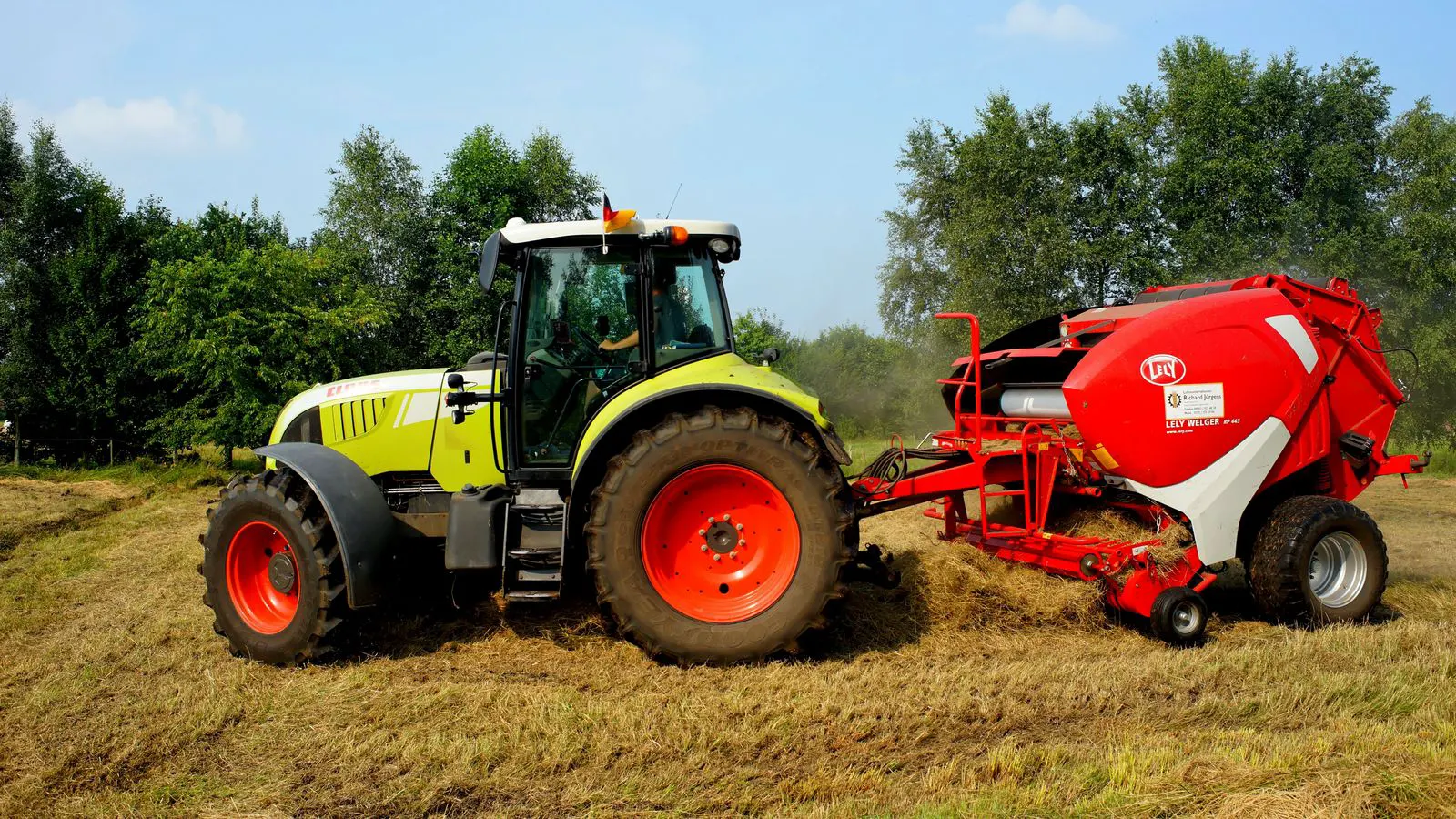
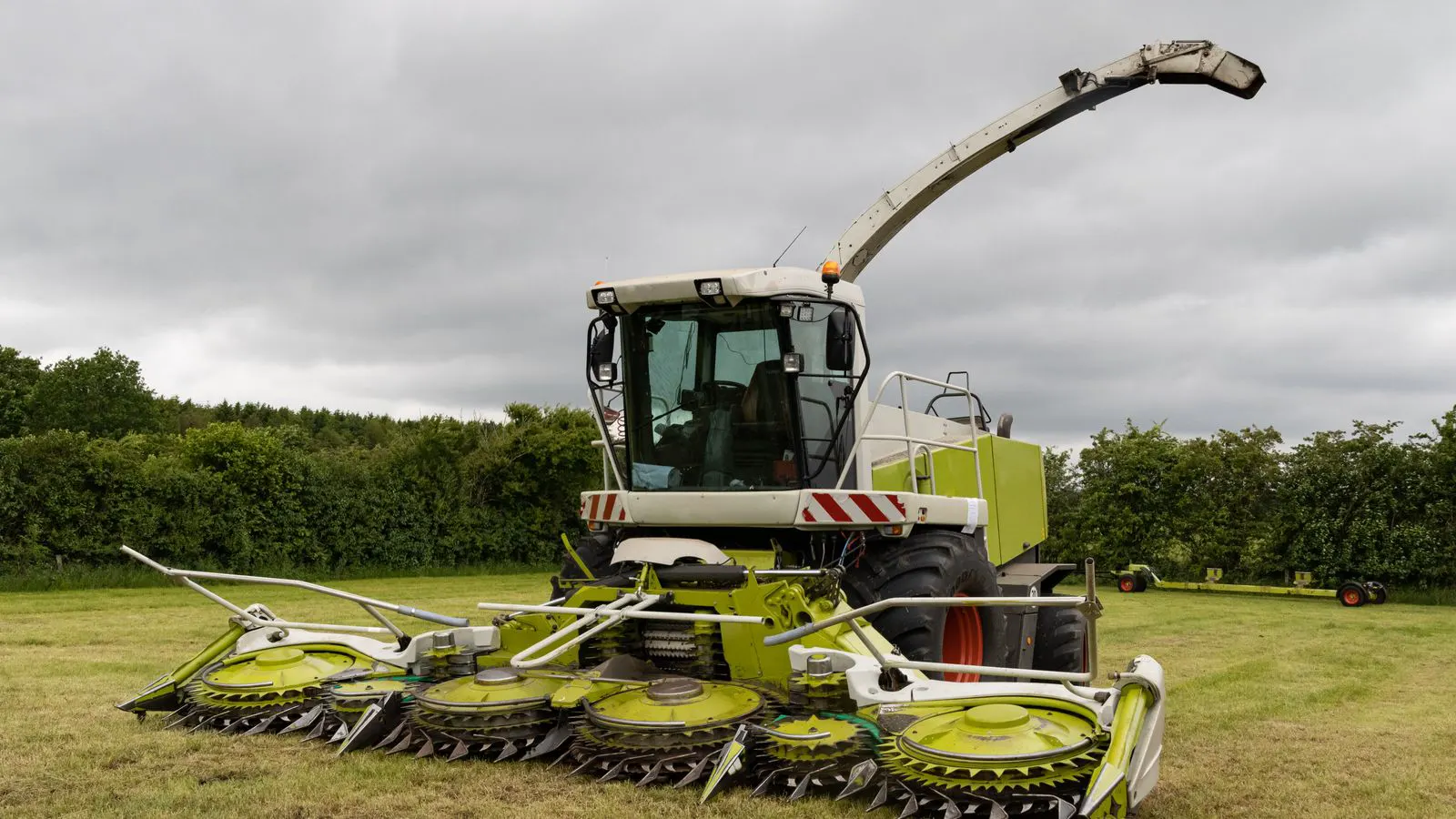
A forage harvester does something different. It chops the entire plant. Stalk, leaf, head, and all. The result is a fine chop of green material that goes into a wagon or trailer for silage or hay. It does not separate grain. It processes the whole plant as a single feed ingredient.
This distinction drives every other decision. You do not buy a forage harvester to get wheat. You do not buy a combine to make silage. The crop mix determines the machine, not the other way around.
How does crop selection drive the decision?
Look at your crop calendar first. If you grow wheat, barley, oats, or rice, you need a combine. Those crops are harvested for the kernel. The stalk is secondary. You want maximum grain recovery and minimal loss.
If you grow corn for silage, hay, or cover crops, a forage harvester makes more sense. You are processing the plant for feed or soil building. The grain head may be part of the mix, but you do not care about separating it. You want a consistent chop length and good feed quality.
Many farms grow both. You plant corn in one field for silage and wheat in another for grain. That is where the choice gets complicated. You cannot run one machine for both jobs unless you have a very specific setup.
A multi-purpose approach exists. Some forage harvesters can be fitted with a grain header. They can harvest grain and process it for feed in the same pass. Some combines can do light forage work, but they are not designed for it. They lack the processing power and the right discharge system.
How does the field condition matter?
Field conditions change the equation. A combine works best on dry, mature grain. The stalks are brittle. The kernels are ready to fall away. Moisture content matters. If the grain is too wet, the combine will clog. The grain will not dry fast enough. You need a machine that can handle high moisture, or you need to wait.
A forage harvester works in wetter conditions. You can cut corn at 80 percent or 90 percent plant height and still make good silage. The machine does not care if the grain is dry. It cares if the plant is green and chopping clean.
Soil and slope matter too. Combines have heavy headers that can tear up soft ground. Forage harvesters are heavier overall. They have more mass in the cutterhead and the processing unit. On steep or uneven ground, both machines need good operator skill.
How does the processing unit affect the choice?
The processing unit is where the machines diverge most. A combine has a threshing cylinder, a concave, and a sieve. The cylinder beats the grain loose. The concave helps catch the lighter material. The sieve shakes out the fine chaff. The grain falls through and into the tank. The rest is ejected from the rear.
A forage harvester has a rotary cutter, a chopper, and a discharge conveyor. The cutterhead slices the plant. The chopper breaks it down to a fine size. The conveyor throws the chop out the back or into a wagon. There is no grain tank. There is no threshing. There is only chop.
If you want to sell grain, you need the combine processing. If you want to make silage, you need the forage harvester processing. You cannot swap these units without major modification. The machines are built around one purpose.
When should you pick a grain harvester?
Pick a combine when your primary goal is grain sale. You grow wheat, barley, oats, rice, or small grains. You need clean, dry kernels. You need to maximize yield per acre. You need to minimize grain loss.
A combine gives you that. You can adjust the header to match the crop. You can tune the threshing drum to handle different grain sizes. You can monitor grain quality through the tank. You can sell the grain or store it.
If you grow a mix of grain and forage, but the grain is your main revenue source, the combine is the priority. You can rent a forage harvester for the forage crops. That is often cheaper than buying both.
When should you pick a forage harvester?
Pick a forage harvester when your primary goal is feed. You grow corn, alfalfa, or grasses for silage or hay. You need consistent chop length. You need to process the whole plant. You need to get the material into a wagon or trailer quickly.
A forage harvester gives you that. You can adjust the cutterhead to match the crop. You can tune the chopper for the chop length you need. You can process large volumes in a short time. You can feed your livestock or sell the silage.
If you grow a mix of grain and forage, but the forage is your main revenue source, the forage harvester is the priority. You can rent a combine for the grain crops. That is often cheaper than buying both.
How do you handle a mixed crop operation?
This is where most operators get stuck. You grow corn for silage and wheat for grain. You want to avoid renting both machines. You want to buy one that does both.
Some forage harvesters can be fitted with a grain header. They can harvest grain and process it for feed in the same pass. The grain is not separated. It is chopped with the stalk. You get a feed product, not saleable grain.
If you need to sell grain, you cannot use a forage harvester for that job. You need a combine. If you need to make silage from the same field, you can use a forage harvester.
The key is to match the machine to the crop, not the other way around. Do not force a combine to make silage. Do not force a forage harvester to sell grain. Each machine is built for one job.
What about maintenance and cost?
Combines and forage harvesters have different maintenance profiles. Combines have more moving parts in the threshing system. The cylinder, concave, and sieve need cleaning after every pass. The grain tank needs emptying. The header needs adjustment.
Forage harvesters have fewer parts to clean. The cutterhead and chopper need checking, but the processing is simpler. The main wear is on the cutterhead and the chopper knives.
Cost is another factor. Combines are expensive. Forage harvesters are expensive too. If you run both crops, you may find that renting the second machine is cheaper than buying it. Look at your acreage. Look at your crop mix. Look at your budget.
A good rule of thumb. If one crop is 70 percent or more of your operation, buy that machine. Rent the other. If both crops are 50 percent or less, consider a multi-purpose machine or a rental strategy.
What are the common mistakes to avoid?
The biggest mistake is buying a machine for the wrong job. You buy a combine because you grow some grain, but you really need a forage harvester for silage. You buy a forage harvester because you grow some forage, but you really need a combine for grain sale.
The second mistake is ignoring the field conditions. You buy a combine for wet grain. You buy a forage harvester for steep hills. Match the machine to the field, not just the crop.
The third mistake is overbuying. You buy a machine that can do everything, but you use it for one thing. You pay for features you never use. You pay for maintenance on parts you never clean.
Buy for the job you will actually do. Rent for the job you do not do often. That is the practical approach.
How do you make the final decision?
Write down your crop mix. List each crop. List the acreage. List the purpose. Sale grain, silage, hay, or cover crop. Then match each crop to the machine that handles it.
If the grain crops are your main revenue, buy the combine. Rent the forage harvester. If the forage crops are your main revenue, buy the forage harvester. Rent the combine. If both are equal, consider a multi-purpose setup or a rental strategy.
Do not guess. Do not assume. Look at your fields. Look at your crops. Look at your budget. The machine that fits your crop mix is the one you need.
Frequently asked questions
Can a combine make silage?
No. A combine separates grain from stalks. It does not chop the plant for feed. You need a forage harvester for silage.
Can a forage harvester sell grain?
No. A forage harvester chops the whole plant. It does not separate kernels. You need a combine for saleable grain.
Which machine is better for corn?
It depends on the purpose. For grain sale, use a combine. For silage, use a forage harvester.
What if I grow both grain and forage crops?
Buy the machine for your main crop. Rent the other machine for the secondary crop. This is often cheaper than buying both.
How do I know if my field conditions match the machine?
Check moisture, slope, and soil type. Combines prefer dry grain. Forage harvesters handle wetter conditions. Match the machine to the field.