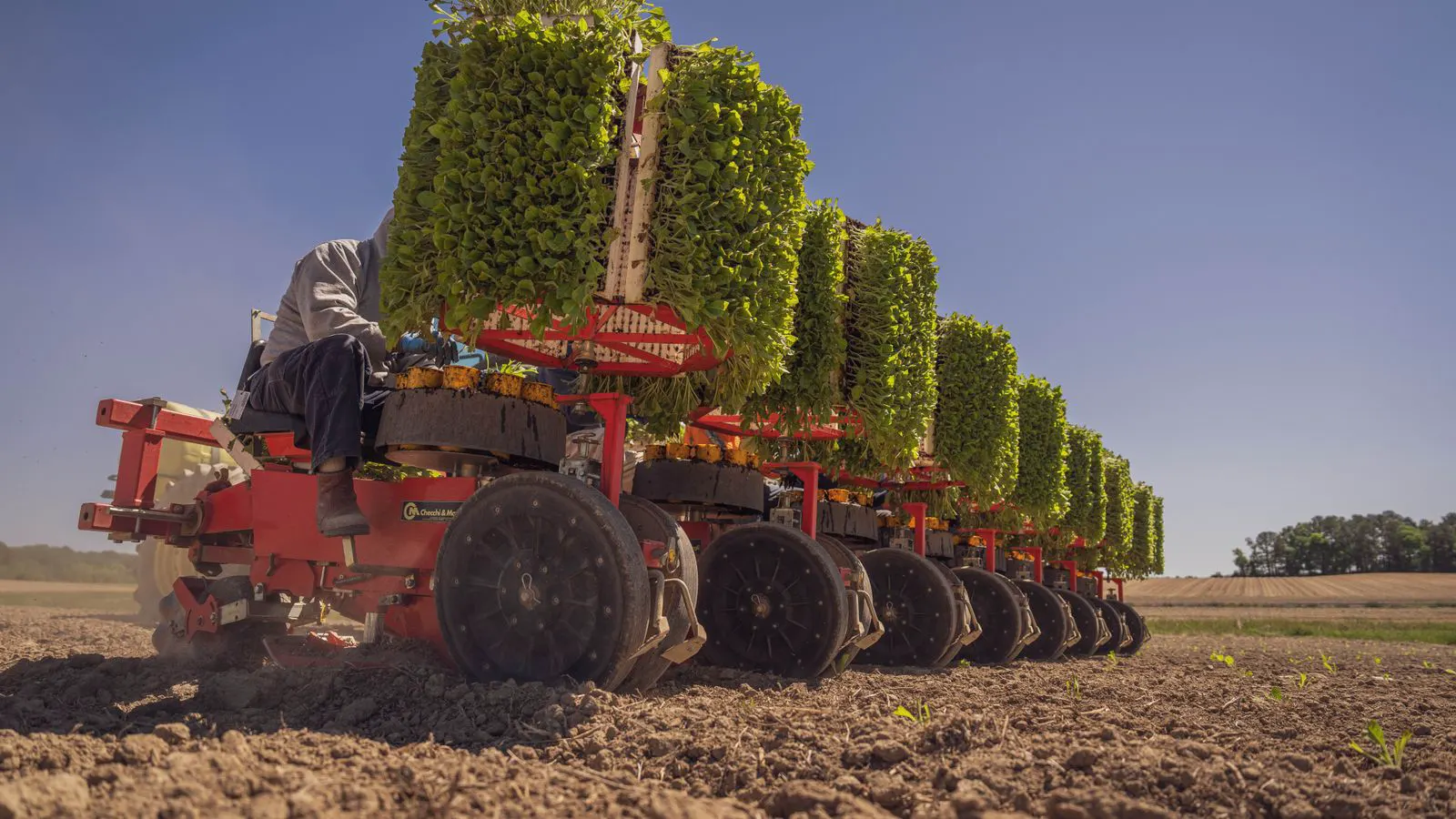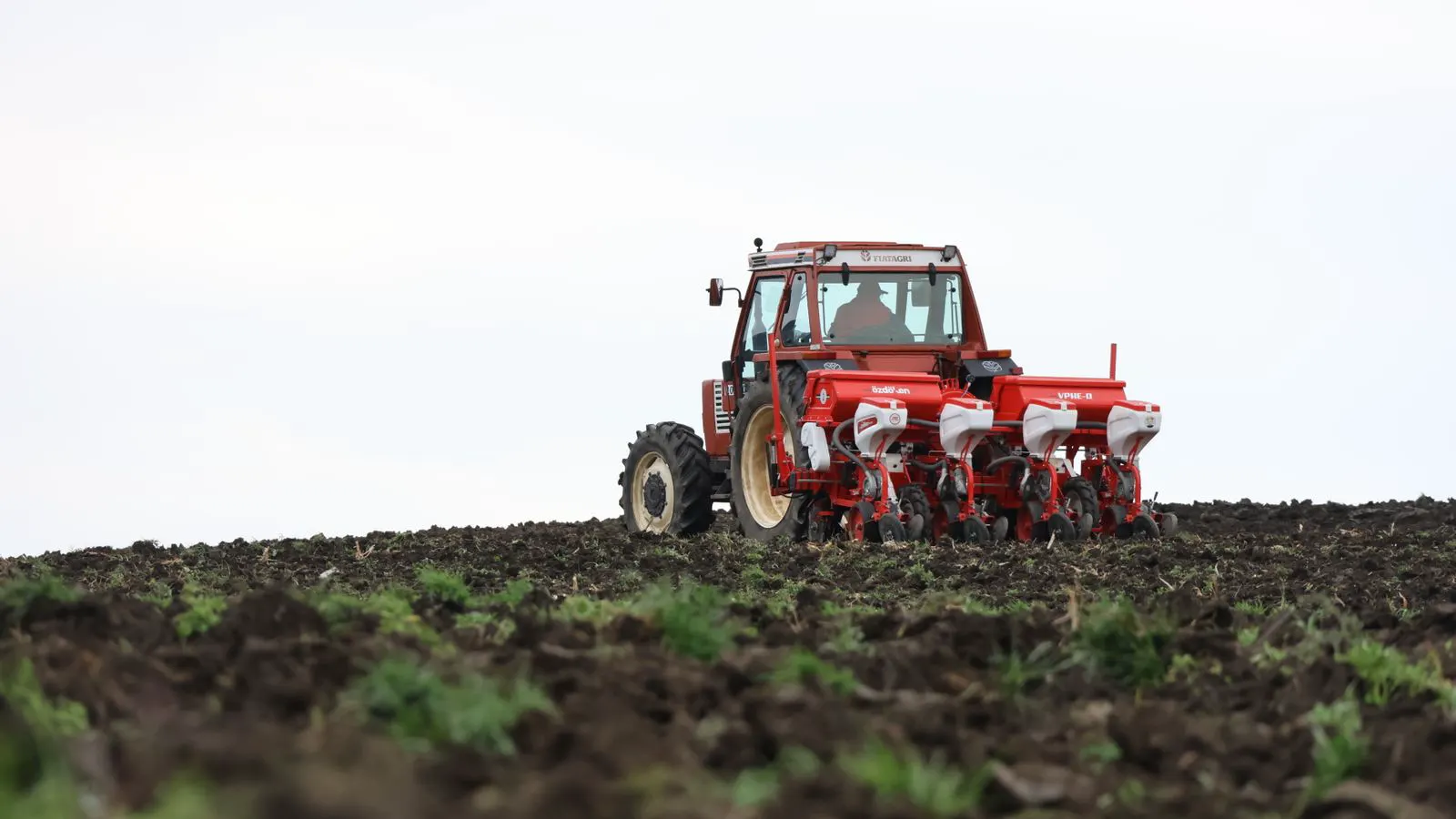
Variable soil conditions require adaptive seeding equipment that adjusts depth, rate, and pressure dynamically. Buyers should prioritize sensor integration, flexible seed metering, and reliable pressure control to maintain uniform emergence.
- Select seeding equipment with adjustable seed metering to handle varying seed sizes and moisture levels.
- Prioritize soil sensors that monitor compaction and moisture to guide depth and pressure changes.
- Plan for maintenance of sensor housings and pressure components to ensure consistent performance across diverse field zones.
- Match row unit design to the specific soil types and crop needs of your operation.
- Invest in data integration to track field performance and refine management practices.
Why Variable Soil Conditions Challenge Seeding Equipment
Fields are rarely uniform. A single pass may cover soft clay, compacted sand, and wet low spots. Traditional seeding equipment often relied on fixed depth and rate settings, which worked well for stable ground but struggled when conditions changed from row to row. Modern machinery addresses this by adding sensors, variable rate control, and adaptive pressure systems.
The core issue is emergence. Uneven soil compaction or moisture creates inconsistent seed-to-soil contact. If the seed sits too deep, germination slows. If it sits too shallow, it dries out. Seeding equipment that can read the field in real time responds to these changes. This allows the operator to maintain a consistent seed depth and placement pressure even when the ground shifts from hardpan to loose tilth.
Sensor Integration for Real-Time Soil Feedback
Sensors have moved from premium options to baseline expectations in modern seeding equipment. Soil moisture probes measure water content at different depths. Compaction sensors detect resistance as the planter moves. These sensors send data to the display, allowing the operator to see where the field is difficult.
Many systems now link sensor data to row unit pressure. When the sensor detects high compaction, the system increases downforce on the seed disc or opener. This ensures the seed furrow opens properly. In loose soil, the system reduces pressure to prevent the opener from digging too deep. This dynamic adjustment reduces the risk of seed being buried under heavy residue or pushed out by shallow passes.
Moisture sensors also help set seed rate. Wet soil can cause clumping and poor seed distribution. Dry soil may require deeper placement. The equipment can adjust the seed metering system based on the sensor readings. This prevents over-seeding in wet zones and under-seeding in dry zones. The result is a more uniform stand, which simplifies later management.
Adapting Seed Metering to Crop Needs
Crop needs vary by species, variety, and planting conditions. Some crops require precise placement at shallow depths. Others tolerate deeper planting and benefit from a larger seed-to-soil contact area. Seeding equipment with variable rate capability can handle these differences.
Electronic seed meters are common now. They use cameras or optical sensors to count individual seeds as they pass through the metering disk. This allows the system to adjust the rate based on the field zone. A wet low spot might need a lower rate to avoid dense stands. A dry ridge might need a higher rate to ensure enough seeds survive.
The physical design of the metering disk matters. Some disks are better for small, round seeds like corn. Others work well for irregular seeds like canola or small grains. Buyers should check the disk options available for their specific crops. Swapping disks is a simple task, but it must be done correctly to avoid seed loss. The metering unit should be clean and free of residue. Caked seed or dust buildup can cause count errors and inconsistent placement.
Pressure Control and Row Unit Design
Downforce is the force applied to the opener to push it into the soil. Too little downforce causes the seed furrow to collapse. Too much downforce compacts the seedbed and creates a hardpan barrier for roots. Modern seeding equipment uses variable downforce control to adjust pressure row by row.
This is critical in fields with variable soil conditions. A sandy area may need less pressure to open the furrow. A clay area may need more. The system uses the sensor data to adjust the hydraulic or pneumatic pressure. This keeps the seed at the correct depth without overworking the soil.
Row unit design also plays a role. Some units use a disc opener. Others use a double-disc or a shank. Disc openers work well in residue-heavy conditions. Shanks are better for deeper planting in dry, hard soil. The choice depends on the soil type and the crop. A flexible row unit design allows the operator to change the opener type based on the field conditions. This adaptability is a key advantage when dealing with variable ground.
Data Integration and Field Mapping
Seeding equipment now generates data on every pass. This data includes seed rate, depth, downforce, and sensor readings. This information is stored in a field map. Operators can review these maps after the planting season. The maps show where the equipment struggled and where the seed placement was inconsistent.
This data is useful for planning the next year. If a low spot consistently has high compaction, the operator can adjust the field plan. They might add a drainage tile, change the crop rotation, or use a different row unit design for that zone. The data also helps identify equipment issues. If the seed rate drops in a specific area, it may indicate a clogged seed meter or a sensor fault.
Data integration also connects the seeding equipment to the broader farm management system. The planting data can be used to adjust fertilization and herbicide applications. If the seed rate is high in a zone, the fertilizer rate can be increased to support the stand. If the seed rate is low, the fertilizer rate can be reduced. This integrated approach improves the efficiency of the entire cropping system.
Practical Preparation for Variable Soil Conditions
Preparing the field for seeding is as important as the equipment itself. Soil testing is the first step. The test reveals the compaction levels, moisture content, and nutrient status of the field. This information helps set the seeding parameters. A field with high clay content may need a different depth and pressure setting than a sandy field.
Tillage and residue management also affect seeding performance. Excessive residue can block the seed opener and cause inconsistent placement. A good tillage program reduces the residue load and creates a uniform seedbed. The seedbed should be fine and free of clods. Clods can create air pockets and prevent good seed-to-soil contact.
Operator training is another key factor. The equipment is complex, and the operator needs to understand how to set the parameters correctly. The operator should check the seed metering system before planting. They should verify the depth and downforce settings for each field zone. Regular maintenance of the sensors and row units is also critical. A dirty sensor will give false readings. A worn opener will dig unevenly.
Planning for the Future of Seeding Equipment
The future of seeding equipment is moving toward more automation. Autonomous planters are in development, but they will still rely on the same sensor and data systems. The key trend is the integration of different data streams. The equipment will use soil sensors, weather data, and crop models to make decisions. This will reduce the workload on the operator and improve the precision of the seeding.
However, the basics remain the same. The equipment must place the seed at the correct depth and rate. The soil must be prepared for good seed-to-soil contact. The operator must monitor the system and make adjustments as needed. Buying seeding equipment is a long-term investment. The buyer should focus on durability, serviceability, and the ability to adapt to new technology.
The shift is toward flexibility. Equipment that can handle multiple crops and soil conditions is more valuable. A planter that can switch between corn and canola with a simple disk change is more versatile than one designed for a single crop. The buyer should look for a modular design that allows for easy upgrades. This ensures the equipment remains useful as the field conditions and crop choices change.
Summary of Key Trends
The table below summarizes the key trends in seeding equipment for variable soil conditions.
| Trend | Benefit | Practical Consideration |
|---|---|---|
| Soil Sensors | Real-time feedback on compaction and moisture | Requires calibration and clean housings for accuracy |
| Variable Rate Metering | Adjusts seed count based on field zone | Needs proper seed metering disk selection and cleaning |
| Dynamic Downforce | Adapts pressure to soil resistance | Hydraulics or pneumatics must be maintained regularly |
| Data Mapping | Tracks performance for future planning | Data must be stored and reviewed for actionable insights |
| Modular Row Units | Allows adaptation to different crops and soils | Check compatibility of opener types with the frame |
These trends are not isolated features. They work together to create a system that responds to the field. The operator sets the base parameters, and the equipment adjusts as it moves. This reduces the risk of poor establishment. It also provides a record of performance that can be used to improve future operations.
Final Thoughts for Buyers
When evaluating seeding equipment, look beyond the horsepower and the number of rows. Focus on the ability to adapt. Can the equipment handle the full range of soil conditions in your fields? Does it have the sensor options you need? Is the metering system flexible enough for your crops?
The best equipment is not the most expensive. It is the one that fits your operation. A planter that is well-matched to your soil and crop needs will outperform a high-end machine that is over-specced or poorly maintained. The key is to understand the specific challenges of your fields. Then, select the equipment that addresses those challenges.
Variable soil conditions are a fact of modern agriculture. The equipment must be able to handle them. By focusing on sensor integration, flexible metering, and pressure control, buyers can invest in machinery that delivers consistent results regardless of the ground. This is the future of precision planting. It is already here, and it is changing the way farmers plant their crops.
Frequently asked questions
How do soil sensors improve seeding accuracy?
Soil sensors provide real-time data on compaction and moisture. This data allows the seeding equipment to adjust depth and downforce dynamically, ensuring consistent seed placement even in variable ground conditions.
What is the main benefit of variable rate seed metering?
Variable rate metering allows the equipment to adjust the seed count based on the specific needs of each field zone. This prevents over-seeding in wet areas and under-seeding in dry areas, leading to a more uniform crop stand.
Why is downforce control important in variable soil conditions?
Downforce control adjusts the pressure applied to the opener based on soil resistance. This prevents the furrow from collapsing in soft soil or digging too deep in hard soil, maintaining the correct seed depth.
How should operators prepare the field for optimal seeding?
Operators should conduct soil testing, manage residue, and prepare a fine seedbed. These steps ensure good seed-to-soil contact and reduce the load on the seeding equipment.
Is data mapping necessary for seeding equipment?
Data mapping is highly beneficial. It records seed rate, depth, and pressure for each pass. This data helps identify field issues, diagnose equipment faults, and plan for the next season.