Local dealer networks are shifting from standalone shops to hybrid hubs. Buyers must plan for longer parts supply chains, digital service tracking, and multi-brand integration to keep equipment running.
- Dealer networks are consolidating around digital platforms and multi-brand service capabilities.
- Parts availability is becoming the primary driver of dealer selection, not just price.
- Buyers should map service radius and critical component lead times before purchase.
- Hybrid dealer models are emerging to serve both small and large operations.
What is changing in local dealer support
The traditional agricultural machinery dealer model is under pressure. Standalone shops serving single brands are struggling to maintain parts inventories and technical depth. Larger operations are consolidating around fewer, better-connected points of sale.
This shift is not about fewer dealers. It is about how they operate. The agricultural machinery dealer of the next decade will likely function as a node in a larger digital ecosystem. Parts ordering, service scheduling, and diagnostics are moving from phone calls and paper work orders to integrated platforms.
For buyers, this means the distance to a dealer matters less than the dealer’s connection to the supply chain. A local shop with poor network access can be more expensive than a larger center with better logistics.
How service availability is reshaping purchase decisions
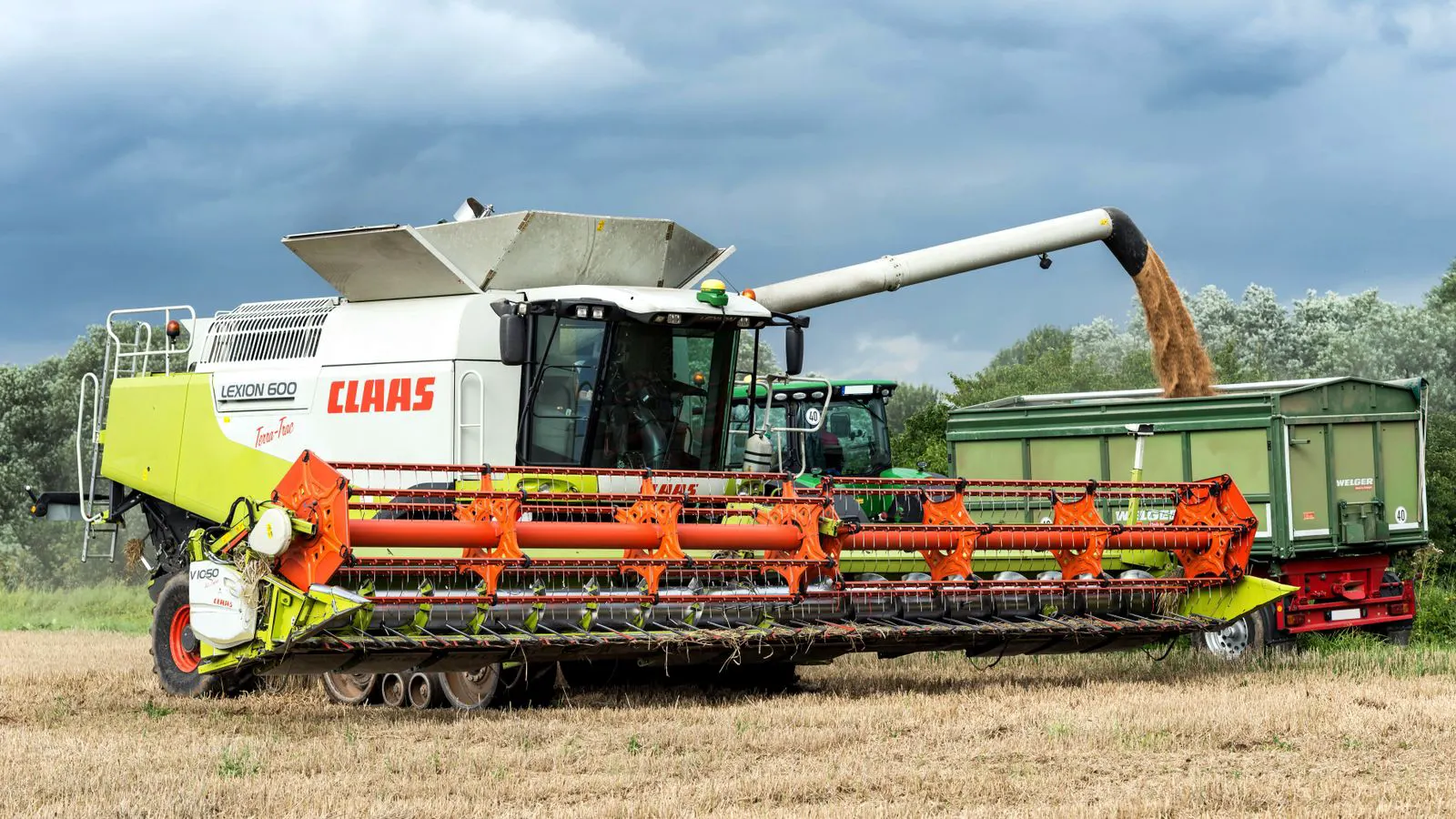
Equipment service availability is no longer a back-office function. It is now a primary selection criterion. When a harvester or sprayer breaks down during a critical window, downtime costs far exceed the price difference between two dealers.
Buyers are increasingly asking about response times, not just repair times. Can the dealer dispatch a mobile technician within 24 hours? Do they carry critical filters, hoses, and hydraulic components on hand? These questions are becoming standard in the procurement process.
The dealer’s relationship with the manufacturer’s service team is now more visible. Dealers with direct access to technical support and priority parts lines can resolve issues faster. This access is becoming a differentiator that buyers recognize.
What multi-brand integration means for your operation
Many dealers are expanding from single-brand focus to multi-brand service. This is driven by the need to keep diverse fleets running. A farm operating both a large tractor and a specialized implement will benefit from a dealer who can service both.
Multi-brand integration changes the parts ecosystem. A single dealer can consolidate ordering, reduce administrative overhead, and standardize maintenance procedures. The trade-off is that brand-specific expertise may be diluted. If you run specialized equipment, verify the dealer’s technical depth before committing.
This shift also affects training. Dealers must invest in cross-brand certification to maintain credibility. For buyers, this means the dealer’s technical staff becomes more important than the dealer’s marketing.
How parts supply chains are affecting local stock
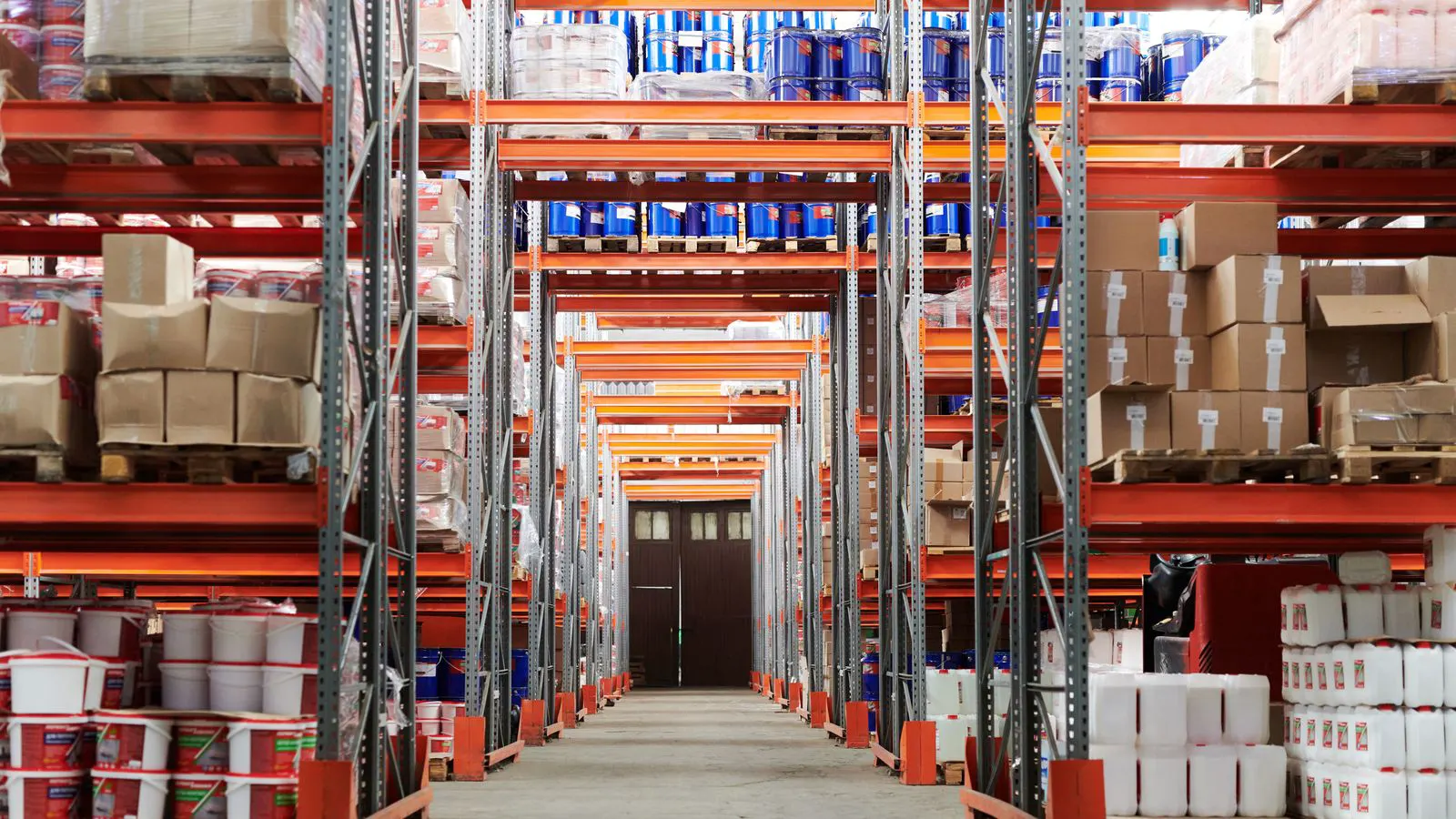
The agricultural machinery dealer is now a parts logistics node. The ability to stock critical components locally is a major advantage. Filters, belts, hydraulic cylinders, and electrical connectors are common failure points. If the dealer has these on the shelf, repair time drops from days to hours.
Longer supply chains are pushing dealers toward predictive stocking. Many are using historical service data to identify which components are most likely to fail in specific regions. This is not a new concept, but it is becoming more sophisticated.
Buyers should ask about the dealer’s local inventory levels for their specific equipment. A dealer with a strong local stock of common parts can reduce your total cost of ownership significantly.
How digital platforms are changing dealer relationships
The agricultural machinery dealer is increasingly connected to digital platforms that track equipment health, service history, and parts usage. These platforms are not just for the manufacturer. They are becoming part of the dealer’s operational toolkit.
For buyers, this means better visibility into maintenance status and faster service coordination. A digital service record reduces errors in diagnosis and speeds up parts ordering. It also creates a data trail that can support warranty claims and resale value.
However, not all platforms are equally accessible. Some are tightly controlled by manufacturers, while others are more open. Buyers should understand which data they control and how the dealer uses it.
How regional differences affect dealer networks
Dealer networks vary significantly by region. Urban and densely farmed areas tend to have more dealers per square mile. Rural and remote areas rely on fewer, larger centers with wider service radii.
This geographic reality affects planning. In remote areas, the cost of mobile service can be high. Buyers in these regions should plan for longer lead times and higher service rates. In more accessible areas, competition among dealers can drive better service and lower prices.
The agricultural machinery dealer trends are also influenced by local agricultural patterns. Regions with intensive, high-value cropping will have dealers with more advanced service capabilities. Regions with broadacre farming may prioritize durability and simple repair.
How buyers should prepare for the next five years
The shifts described above are not happening overnight. They are unfolding over a multi-year period. Buyers who prepare now will be better positioned to manage their equipment portfolio.
The following actions will help you stay ahead of dealer network changes:
- Map your service radius. Identify the nearest dealers for each type of equipment you own. Note their response times and local inventory levels.
- Build a multi-dealer strategy. Do not rely on a single dealer for all brands. A combination of a large network dealer and a local specialist can cover different needs.
- Track service data. Keep a digital record of all service events, parts used, and downtime hours. This data will help you negotiate better terms and identify recurring issues.
- Review contracts annually. Dealer agreements can change. Review service levels, parts pricing, and warranty handling each year to ensure they still meet your needs.
- Invest in preventive maintenance. Reducing the frequency of breakdowns lowers your dependence on dealer response times. A well-maintained machine is easier and cheaper to service.
What to ask a dealer before you buy
When evaluating a dealer, focus on operational capacity, not just showroom presentation. Ask about their parts inventory, service response times, and technical staff. Request examples of recent service jobs on your specific equipment.
The best agricultural machinery dealer will be transparent about their strengths and limitations. They will tell you when a part is back-ordered and when a mobile technician is needed. This honesty is a strong indicator of long-term reliability.
Dealer networks are becoming more complex. Your strategy should match that complexity. Plan for change, and your equipment will keep working when it matters most.
| Factor | What to Ask | Why It Matters |
|---|---|---|
| Parts Inventory | Do you stock critical filters and hydraulic components locally? | Reduces repair time during critical periods |
| Service Response | What is your average mobile response time? | Affects downtime costs during harvest |
| Technical Staff | How many certified technicians do you employ? | Determines diagnostic speed and accuracy |
| Multi-Brand Capability | Can you service our full fleet under one contract? | Simplifies administration and parts ordering |
| Digital Platform | Which service tracking platform do you use? | Affects data visibility and maintenance planning |
Frequently asked questions
How should I choose between a large network dealer and a local independent shop?
Consider your equipment mix and service needs. A large network dealer may offer better parts availability and multi-brand service. A local independent shop may offer faster response times and closer personal attention.
Does it matter if a dealer is connected to a digital service platform?
Yes. Digital platforms improve service tracking, parts ordering, and diagnostic accuracy. However, verify that the platform is accessible to you and that the dealer actually uses it for your equipment.
How can I reduce my dependence on a single dealer?
Build a multi-dealer strategy. Combine a primary dealer for major equipment with a secondary dealer for specialized implements. This provides backup capacity and competitive pricing.
What is the most common mistake buyers make when selecting a dealer?
Focusing on purchase price instead of total cost of ownership. A dealer with lower parts prices but slow service can cost more in downtime. Evaluate the full service equation before deciding.
How often should I review my dealer relationships?
Annually, or at major fleet updates. Review service performance, parts pricing, and contract terms each year. Adjust your strategy as your equipment portfolio changes.