Crop type dictates combine settings and expected loss rates. Wet, round, or brittle crops demand different header, clearance, and fan adjustments. Matching machine features to specific grain physics reduces waste and improves throughput.
- Crop physics determine the baseline loss rate and the settings required to hold it down.
- Round, heavy grains need more header clearance than small, flat grains.
- Fan speed and pressure must match crop moisture and size to prevent shattering.
- Machine selection should prioritize header style and threshing drum design over raw horsepower.
- Post-harvest checks on the chaff house and auger path reveal hidden loss points.
Why Crop Physics Drive Loss
Grain loss is not a random variable. It is a mechanical reaction to the crop’s physical properties. When a combine operator turns a setting knob, they are adjusting for a specific physical trait: seed size, weight, brittleness, or moisture content. The machine must separate the seed from the husk, straw, and dirt. If the crop resists the separation process, the machine must work harder or lose material.
Consider the difference between a small, hard seed and a large, heavy pod. A small seed can fall through small gaps in the screen. A heavy pod needs a larger opening to pass without being ground. This distinction is the foundation of every setting on the combine control panel. Understanding the crop type impact means understanding how the machine interacts with the plant material it is processing.
Header Clearance and Grain Entry
The header is the first point of contact between the crop and the machine. Loss often starts here before the grain ever reaches the threshing drum. If the header reel is too low, it digs into the stalks and pulls the entire plant into the combine. If the cutter bar is set too high, short stalks are left behind in the ground.
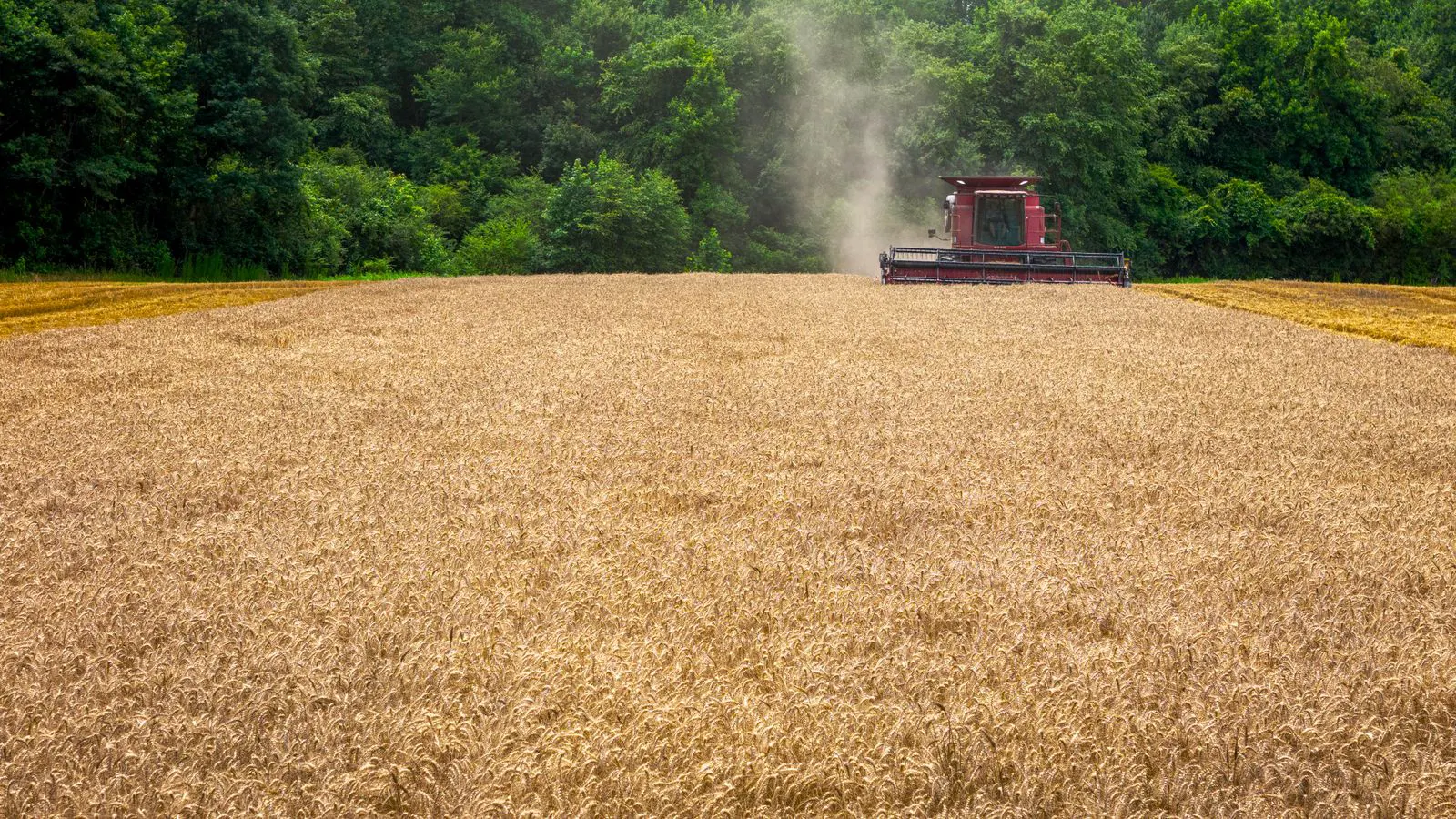
Different crops have different stalk heights and densities. Corn, for example, has thick, tall stalks that require a different reel speed and cutter bar height than soybeans or wheat. Soybeans have a brittle stalk that snaps easily but can also tangle in the reel if the feed rate is too high. Wheat is a dense, swaying crop that requires precise timing so the reel catches the head without pulling the root.
The header type also matters. A reel-type header is standard for row crops. A swather-type or spike-type header is often used for small grains. Each design has a specific “sweet spot” for the crop it was designed to handle. Choosing the wrong header for the crop type impact is a common error that leads to high loss regardless of threshing settings.
Threshing Drum and Concave Settings
Once the grain is inside the combine, the threshing drum and the concave screen do the work. The drum has teeth or spikes that beat the seed out of the head. The concave is a curved surface with slots that let the seed fall through while holding the straw.
The gap between the drum and the concave is critical. If the gap is too wide, the seed is not beaten out. If the gap is too tight, the seed is shattered, turning it into chaff that cannot be separated. Shattered seed is a major source of loss because it is too small to fall through the screen and gets thrown into the chaff house or lost in the air.
Round grains like corn or wheat kernels behave differently than flat grains or pods. A round grain bounces off the drum and concave. A flat grain or a pod may stick or break differently. An operator must adjust the gap based on the crop. For a brittle crop like soybeans, the gap may need to be slightly wider to prevent shattering. For a tough crop like barley, the gap may need to be tighter to ensure the seed separates cleanly.
Fan Speed and Pressure
The fan, or blower, creates an airstream that separates the seed from the chaff and straw. This is where moisture becomes a major factor in the crop type impact. A dry crop shatters easily into light chaff. The fan must be fast enough to lift that light material and blow it out the back. A wet crop produces heavy, clumpy chaff that does not lift easily.
If the fan speed is too low for a wet crop, the chaff stays with the grain. This leads to a heavy grain tank and potential clogs in the chaff house. If the fan speed is too high for a dry crop, the fan blows fine grain out with the chaff. This is often called “blow-by” loss.
The operator must listen to the machine. A healthy fan creates a steady hum. A clogged chaff house changes the sound and reduces airflow. This is why post-harvest checks are so important. A quick inspection of the chaff house after each field can reveal if the fan is working correctly for the current crop.
Grain Tank Capacity and Unloading
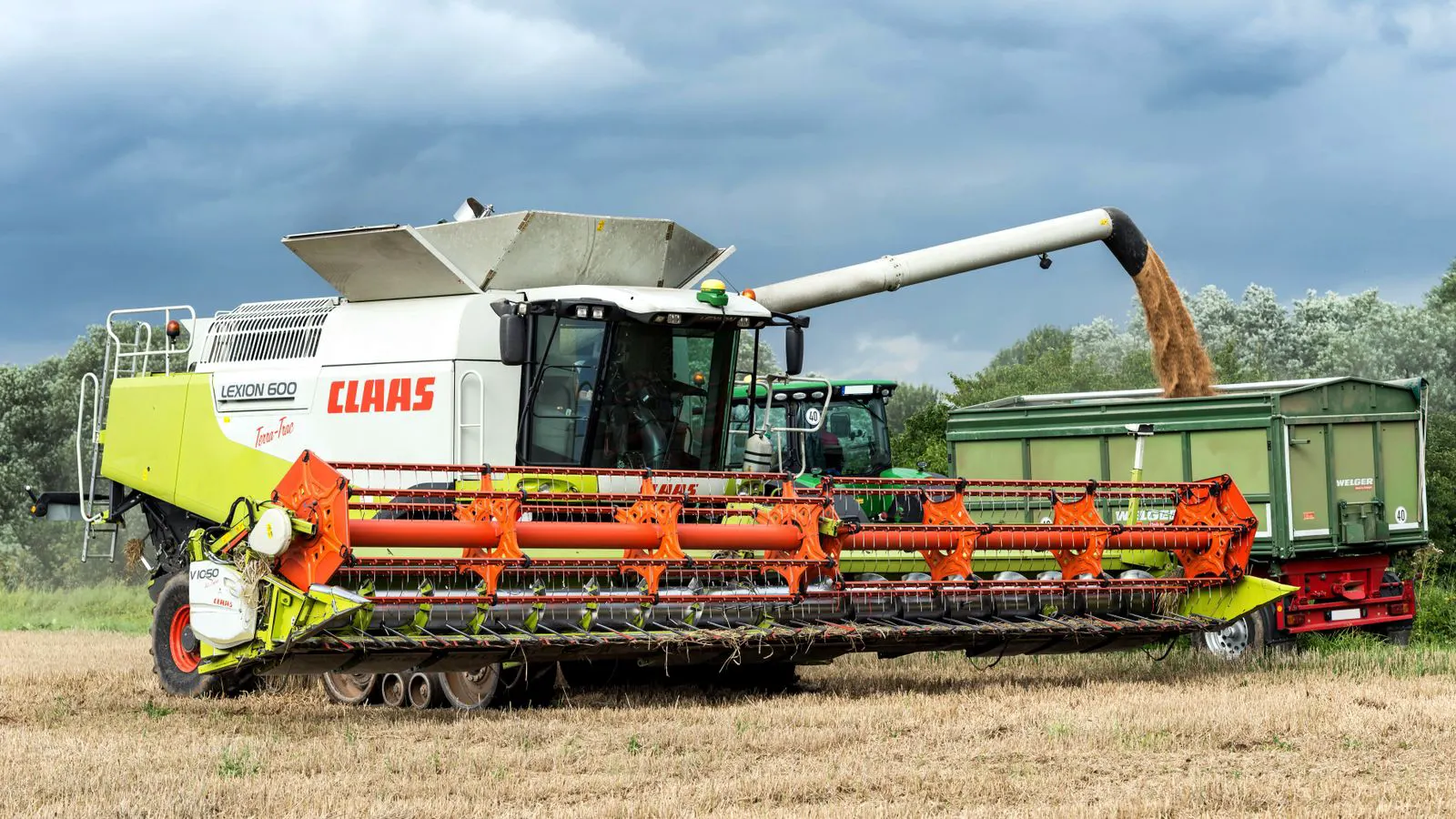
The grain tank is not just a container. It is a part of the efficiency equation. If the tank is too small for the field size or the machine speed, the operator spends more time unloading and less time harvesting. This reduces the overall efficiency of the day.
However, a larger tank can sometimes be a disadvantage. A full tank adds weight to the rear of the machine. This can affect the balance, especially on soft ground or uneven terrain. If the combine sinks at the rear, the header may dig into the ground, increasing loss.
For large-scale operations, the grain tank capacity is a trade-off between unload frequency and machine balance. The ideal capacity depends on the field size, the distance to the grain bin, and the machine’s weight distribution. A smaller tank may be better for small, irregular fields. A larger tank is better for large, flat fields where the machine can maintain speed.
Machine Selection for Crop Mix
When selecting a combine, the crop mix is the primary driver. A machine that works well for wheat may struggle with corn. A machine designed for soybeans may not handle barley well.
The threshing drum diameter is a key factor. A larger drum has more surface area for the seed to travel. This is beneficial for small grains like wheat or barley. A smaller drum with higher speed is often better for larger, heavier grains like corn or soybeans.
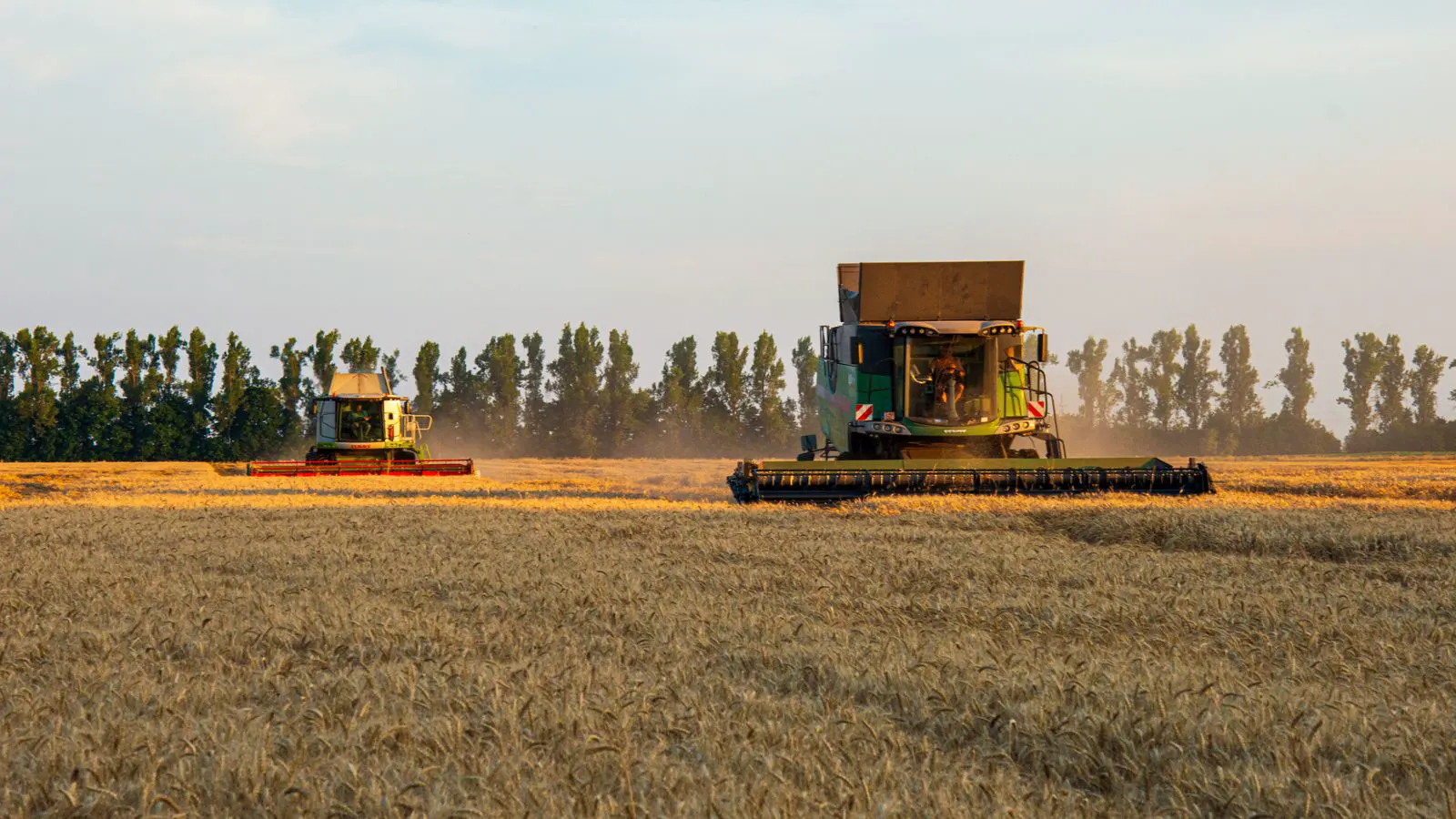
The header width is also a factor. A wide header covers more ground in one pass. This is efficient for large, flat fields with a uniform crop. A narrow header is more maneuverable for small fields with obstacles or irregular boundaries.
The operator should look at the machine’s versatility. Can the machine handle the full range of crops in the farm’s rotation? If the farm grows a mix of row crops and small grains, a machine with a versatile header and adjustable drum settings is preferable to a specialized machine.
Worked Example: Adjusting for Soybeans
Imagine a combine operator moving from a wheat field to a soybean field. The wheat was dry and small. The operator set the header clearance low, the drum-concave gap tight, and the fan speed high. This worked well for the wheat.
Now the operator enters the soybean field. The soybeans are larger and heavier. The stalks are brittle. The operator must make several changes. First, the header clearance may need to be raised slightly to prevent the brittle stalks from tangling. Second, the drum-concave gap should be widened to prevent the heavy pods from shattering. Third, the fan speed should be reduced slightly because the soybean chaff is heavier and does not need as much airflow to be separated.
If the operator fails to make these changes, the loss will increase. The pods may shatter and fall through the screen. The heavy chaff may clog the chaff house. The brittle stalks may clog the header. By adjusting the settings to match the crop type impact, the operator can maintain a low loss rate and keep the machine running smoothly.
Common Mistakes in Crop Handling
The most common mistake is assuming that one set of settings works for all crops. This is rarely true. Each crop has a unique set of physical properties. The operator must be willing to adjust the settings for every new field, even if the crop is the same species.
Another mistake is ignoring the moisture content. A dry soybean field requires different settings than a wet soybean field. The operator should check the grain moisture before starting the harvest. This allows for better planning and adjustment.
A third mistake is not checking the chaff house regularly. A small clog can build up quickly in a wet crop. This reduces airflow and increases loss. A quick check every few passes can prevent a major problem.
Final Thoughts
The crop type impact is a fundamental part of harvesting. It determines the settings, the machine selection, and the expected loss rate. By understanding the physical properties of the crop, the operator can make informed decisions that reduce loss and improve efficiency.
The key is to match the machine and the settings to the crop. A small grain needs a different approach than a large grain. A dry crop needs a different fan speed than a wet crop. A brittle stalk needs a different header setting than a tough stalk.
By paying attention to these details, the operator can harvest more grain with less waste. This is the goal of efficient harvesting. It is not just about speed. It is about getting the most yield out of the field with the least loss.
Frequently asked questions
Does the crop type impact require different combine models?
Not always. Many combines can handle a variety of crops with the right headers and settings. However, specialized crops may require specific header styles or drum designs for optimal performance.
How does moisture affect harvesting loss?
Moisture changes the weight and behavior of the chaff. Wet chaff is heavy and can clog the chaff house. Dry chaff is light and can be blown out with fine grain. Adjusting fan speed is critical for moisture levels.
What is the best header width for a small farm?
A narrower header is often better for small farms with irregular fields. It provides better maneuverability. A wider header is more efficient for large, flat fields where the machine can maintain speed.
Can I use the same settings for wheat and corn?
No. Wheat and corn have very different physical properties. Wheat is small and dry. Corn is large and heavy. The header clearance, drum-concave gap, and fan speed must all be adjusted for each crop.
How do I know if my chaff house is clogged?
Listen to the machine. A clogged chaff house changes the sound of the fan. It may sound muffled or strained. You can also see a buildup of chaff at the back of the combine. A regular check can prevent major issues.